Timeline of Music

The Classical & Romantic Era

Timeline

1150

Medieval

1400

Renaissance

1600

Baroque

1750

Classical

1820

Romantic

1900

20th Century & 21st Century


1750-1820

18th century music was the Classical Era time

The Classical Era

The Classical era in music is compositionally defined by the balanced eclecticism of the late 18th- and early 19th-century Viennese “school” of Haydn, Mozart, Beethoven and Schubert, who completely absorbed and individually fused or transformed the vast array of 18th-century textures and formal types.

The Classical period itself lasted from approximately 1775 to 1825. The name classical is applied to the period because in art and literature, there was keen interest in, admiration for, and emulation of the classical artistic and literary heritage of Greece and Rome. 

Age of Enlightenment

In Europe, the eighteenth century was a period of intellectual, social, and political ferment. This time is often referred to as the Age of Enlightenment, as it was in the 18th century that the ideas of the previous 100 years were implemented on a broad scale.


Individualism Skepticism Science

Indian Sub Continent

In Indian history, classical music was originally sung in temples, has gotten classical music into Hindustani and Carnatic music which represents the Northern and Southern music of the Indian subcontinent. The roots of Indian classical music can be found in the Vedic literature of Hinduism. Subcontinent music evolved with Mughals and British rules, but the foundation remained the same on Ragas and Taal.


Rhythmic
Intensive
Structured

Musical Characteristics

Emphasis on Elegance & Balance

Balanced & Clear Cut question answer phases

Simple diatonic harmony

Homophonic texture with counterpoint

Contrasting Moods

Best Composers of Classical Era

Most of the best-known composers of classical music worked during the last 600 years in the Western tradition. They differed in style, skill, innovation, and popularity, and nothing incites more heated debate among classical music scholars and fans than determining which of these composers are the most essential. The three composers that consistently appear in the top spots are Beethoven, Bach, and Mozart.

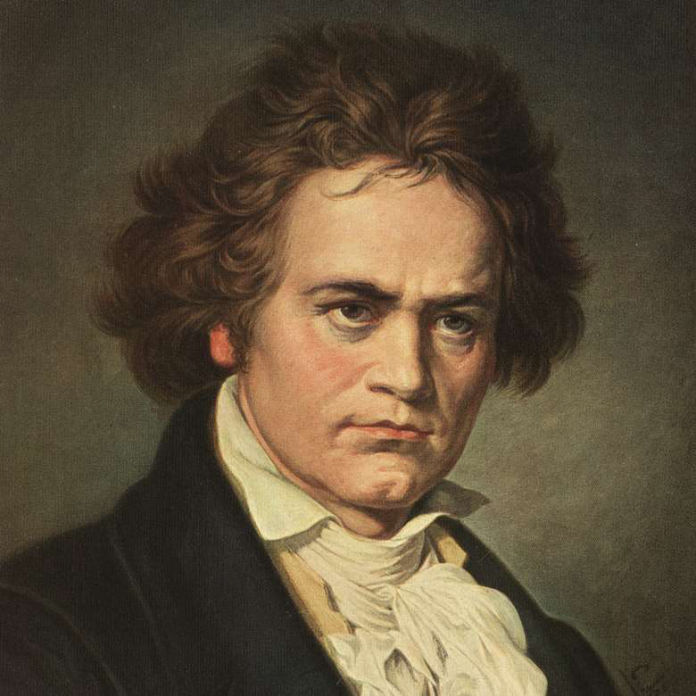
Beethoven
Ludwig van Beethoven

1770–1827

The German composer and pianist Ludwig van Beethoven is widely regarded as the greatest composer who ever lived. He expanded the Classical traditions of Joseph Haydn, one of his teachers, and Wolfgang Amadeus Mozart and experimented with personal expression, a characteristic that influenced the Romantic composers who succeeded him.

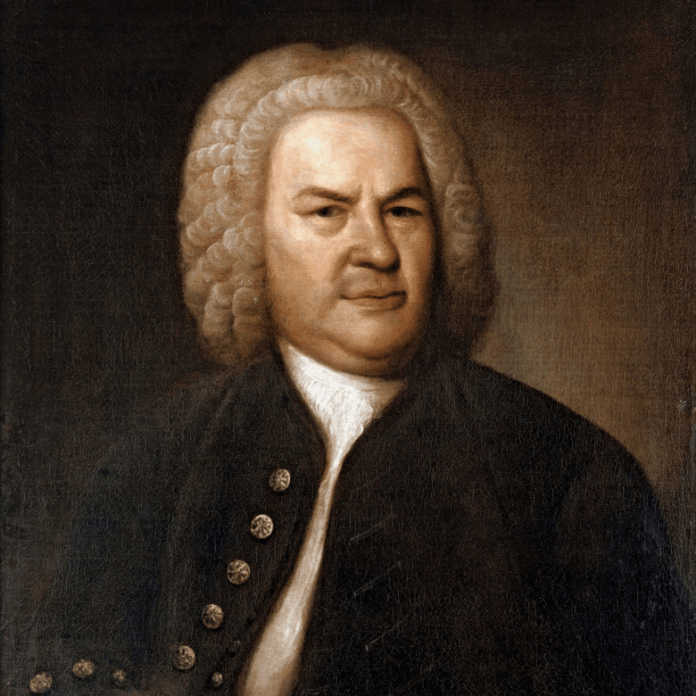
Johann Sabastine Bach
Johann Sebastian Bach 

1685–1750

Johann Sebastian Bach was a German composer and organist of the Baroque period. His contemporaries admired him for his talent as a musician but thought his compositions were old-fashioned.

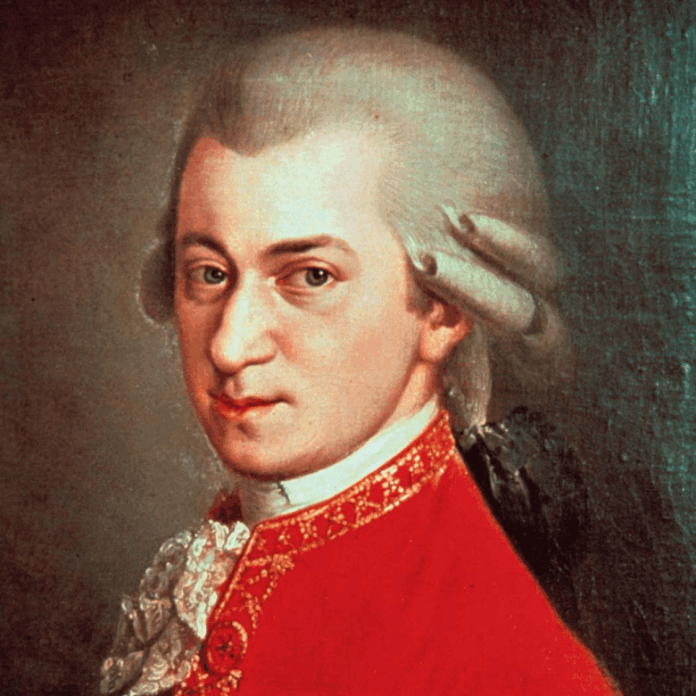
Wolfgang Amadeus Mozart
Wolfgang Amadeus Mozart 

1756–1791

An Austrian composer of the Classical period, Wolfgang Amadeus Mozart is widely recognized as one of the greatest composers of Western music. He is the only composer to write and excel in all of the musical genres of his time.
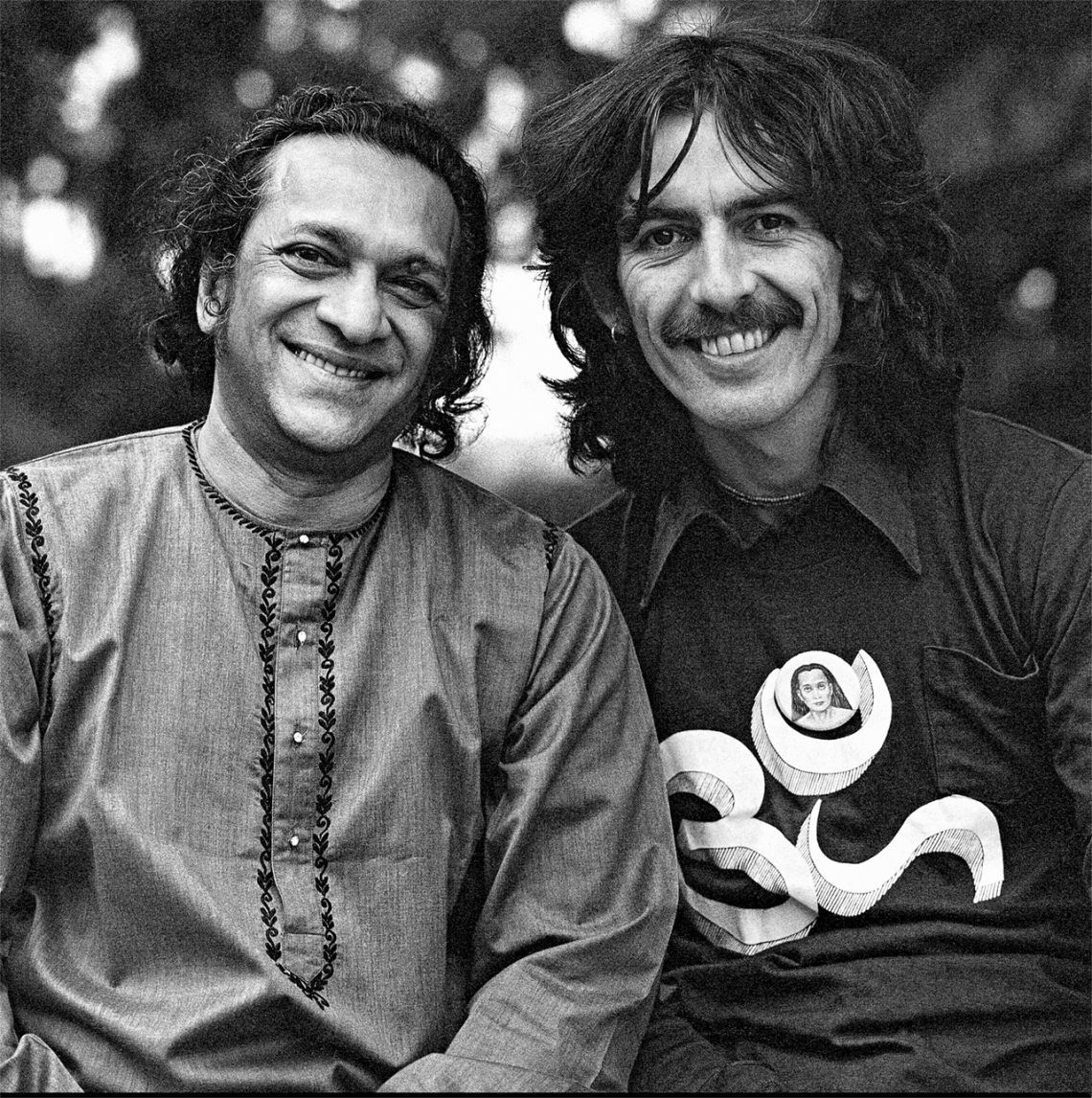
Pandit Ravi Shankar & Beetles

Romantic Era

The Romantic period started around 1830 and ended around 1900, as compositions became increasingly expressive and innovative. The Romantic era is known for its intense energy and passion. The rigid forms of classical music gave way to greater expression, more passion and music grew closer to art, literature and theatre. In the Indian history, the romantic period saw collaboration with western music at various levels. Beetles was one of the examples, who collaborated with Pandit Ravi Shankar

Musical Characteristics

Freedom of form and design. It was more personal and emotional..
Song-like melodies (lyrical), as well as many chromatic harmonies and discords.
Dramatic contrasts of dynamics and pitch.
Great technical virtuosity
Big orchestras, due mainly to brass and the invention of the valve.
Wide variety of pieces
Programmed music (music that tells a story)
Shape was brought to work through the use of recurring themes.
Nationalism (a reaction against German influence)

Romantic music is a stylistic movement in Western Classical music. Composers were inspired by romantic love, the supernatural and even dark themes such as death. Some composers drew inspiration from the history and folk songs of their native country; others drew influences from foreign lands.

Best Composers of Romantic Era

The Romantic period was one of the most innovative in music history, characterised by lyrical melodies, rich harmonies, and emotive expression.

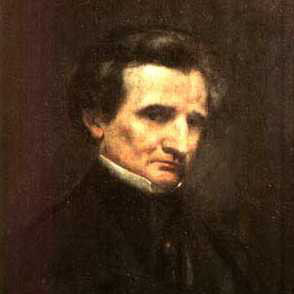
Hector Berlioz

Hector Berlioz

1803-1869
The arch-Romantic composer, Berlioz’s life was all you’d expect – by turn turbulent and passionate, ecstatic and melancholic.

Les Troyens

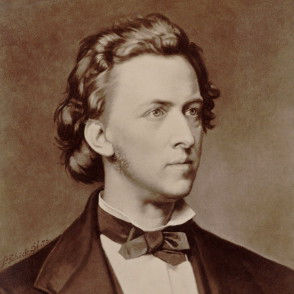
Chopin Fryderyck

Fryderyck Chopin

1810-1849
Few composers command such universal love as Chopin; even fewer still have such a high proportion of all their music in the active repertoire. Yet, he is the only great composer who wrote no symphonies, operas, ballets or choral works. His chief claim to immortality relies not on large scale works but on miniature forms.

Piano Concertos No 1 & 2 

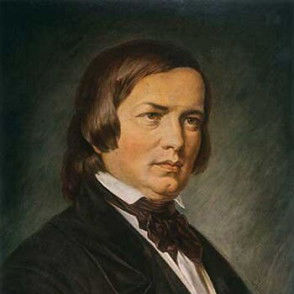
Robert Schumann

Robert Schumann

1810-1856
Schumann is a key figure in the Romantic movement; none investigated the Romantic’s obsession with feeling and passion quite so thoroughly as him. Schumann tragically died, but then some psychologists argue that madness is a necessary attribute of genius.

Symphonies Nos 1-4 

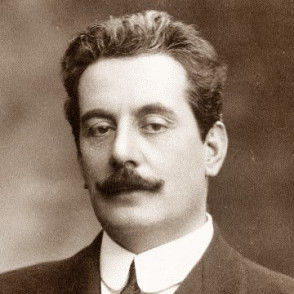
Giacomo Puccini

Giacomo Puccini 

1858-1924
Whatever the atmosphere he wanted to create, Puccini’s sound world is unique and unmistakable with its opulent yet clear-cut orchestration and a miraculous fund of melodies with their bittersweet, tender lyricism. His masterly writing for the voice guarantees the survival of his music for many years to come.

Tosca

Classical & Romantic Era

Differences

Romantic music is associated with romanticism in the Europe while classical music is related to Classicalism, also in Europe
 

Romantic music began in the late eighteenth century while classical music began in the mid-eighteenth century 
 

The themes or expressions of romantic music include nature and self-expression while themes of classical music include restraint and emotional balance

Instrumental arrangements of classical music include symphony without solo piano works while that of romantic music include larger symphony with solo piano works

Harmony of romantic music consisted of chromatics while classical music consisted mostly of diatonic harmony
 

Judging by the differences, it is quite obvious that romantic and classical music differ from each other
 

https://mobirise.com best website software